Paneer has a peculiar talent for revealing what went wrong in a recipe.
A few cubes can turn a rich tomato gravy into a comforting paneer butter masala. The same cubes, cooked for too long in an aggressively boiling sauce, may become firm and rubbery.
Sometimes the problem isn’t the recipe at all. It is the paneer itself, how it was stored or the way it was prepared before cooking.
Dairy ingredients create similar challenges.
Yoghurt can separate when stirred into a hot curry. Cream can make a sauce heavy when the recipe needs only a small amount. Milk may work beautifully in one dessert but produce an entirely different texture when substituted into another.
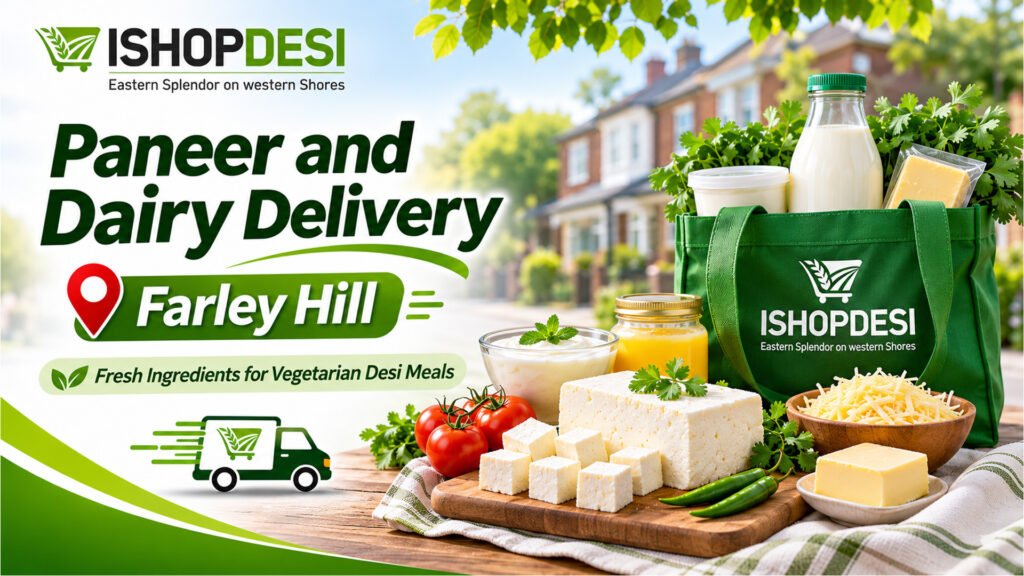
For households exploring paneer and dairy delivery Farley Hill, understanding how these ingredients behave is more useful than simply knowing which products are available.
Paneer, yoghurt, milk, cream and ghee all have distinct roles in South Asian cooking. When chosen carefully, they can help create satisfying vegetarian meals without relying on complicated techniques.
This guide explores how to select suitable dairy ingredients, prepare familiar dishes and solve the problems that commonly appear during cooking.
Paneer Is Simple, but Its Texture Changes Everything
Paneer is a fresh, non-melting cheese widely used in Indian and other South Asian dishes.
It is typically made by curdling milk with an acid, then separating and pressing the curds.
Unlike many cheeses that melt into sauces, paneer generally retains its shape when heated.
That characteristic makes it especially useful in curries, grilled preparations and vegetable dishes.
However, paneer products are not all identical.
Their moisture content, firmness and preparation can vary.
Soft Paneer and Firm Paneer Have Different Uses
A relatively soft paneer can be appealing in dishes where a tender texture is important.
Firmer paneer may be easier to cut, handle or use in certain grilled recipes.
Neither type is automatically better.
The choice depends on the cooking method.
For example, a recipe involving skewers may benefit from cubes that hold their shape, while a gently simmered curry may work well with softer paneer.
Fresh, Chilled and Frozen Paneer
Paneer is commonly sold as a chilled product, although frozen options may also be available.
Each product should be handled according to its packaging instructions.
Frozen paneer can behave differently after thawing, sometimes developing a firmer or more porous texture.
That may influence how it works in a recipe.
Check whether the manufacturer recommends thawing before cooking.
Why Paneer Sometimes Becomes Rubbery
Paneer can become tougher when exposed to excessive heat or prolonged cooking.
This is particularly noticeable in recipes where the cheese only needs to be warmed through after the sauce is prepared.
If your paneer curry regularly turns out firm, reconsider when the cubes are added.
Cooking insight: Paneer doesn’t always need to simmer for the same length of time as the vegetables or gravy.
Three Paneer Dishes That Demonstrate Different Cooking Techniques
Paneer is adaptable, but each recipe asks something different of it.
A creamy curry, a spinach-based dish and a dry-style preparation should not all be cooked using the same method.
1. Paneer Butter Masala: Let the Gravy Develop First
Paneer butter masala is associated with a smooth, rich tomato-based sauce.
The exact recipe varies, but it may include tomatoes, butter, cream, spices and other ingredients.
A common mistake is adding the paneer before the sauce reaches its intended consistency.
If the cubes remain in the pan throughout a lengthy reduction, their texture may change.
A better approach is to follow a recipe that develops the gravy first and introduces the paneer at the appropriate stage.
Best served with: Suitable naan, roti or basmati rice.
2. Palak Paneer: Understanding the Role of Spinach
Palak paneer combines paneer with a spinach-based preparation.
The texture of the greens is important.
Some recipes produce a smooth sauce, while others retain more of the spinach’s structure.
Excessive cooking can affect the colour and flavour of the greens.
Prepare the spinach according to the recipe before combining it with paneer.
For readers exploring different vegetable cooking methods, IShopDesi’s guide to easy sabzi recipes with fresh vegetables offers additional ideas.
Best served with: Chapati, roti or another suitable accompaniment.
3. Paneer Bhurji: A Different Approach to Texture
Paneer bhurji generally uses crumbled paneer rather than cubes.
This produces a very different eating experience.
Depending on the recipe, onions, tomatoes, chillies and selected seasonings may be cooked before the paneer is added.
The aim is to combine the ingredients without drying out the cheese.
Best served with: Roti, toast or suitable flatbread.
These three dishes demonstrate why paneer should be chosen and prepared with the intended recipe in mind.
Do You Need to Fry Paneer Before Adding It to Curry?
Not necessarily.
Some recipes call for lightly frying paneer to develop colour or a particular surface texture.
Others add it directly to the prepared sauce.
Both approaches can work.
The important detail is understanding the result you want.
When Frying Can Help
Light frying may create a browned exterior.
This can be suitable for certain dry-style preparations or recipes where the additional texture is desirable.
However, excessive frying may make paneer firm.
When Direct Addition Works Better
In a creamy curry, the intended texture may be softer.
A recipe may therefore recommend adding paneer directly to the finished or nearly finished gravy.
This reduces unnecessary exposure to heat.
What About Soaking Paneer in Warm Water?
Some home cooks briefly place certain paneer products in warm water to improve their texture before use.
Results depend on the product and preparation.
Follow suitable guidance and avoid leaving perishable dairy at unsafe temperatures.
The technique should not be treated as essential for every paneer recipe.
Yoghurt: A Dairy Ingredient That Does More Than Accompany Food
Plain yoghurt is familiar in South Asian kitchens, but its role changes from dish to dish.
It can become a cooling accompaniment, contribute acidity to a marinade or form part of a curry sauce.
Understanding those uses makes it easier to choose the right product.
Raita for Everyday Vegetarian Meals
Raita may combine yoghurt with cucumber, herbs, spices or other suitable ingredients.
Its cool texture can complement a more strongly seasoned vegetable dish.
However, the consistency depends on the yoghurt used.
A thick product may create a different result from a thinner yoghurt.
Choose according to the recipe and your preferred texture.
Yoghurt in Curry Sauces
Some curries use yoghurt to contribute flavour and consistency.
The challenge is preventing separation.
Adding cold yoghurt directly to a very hot mixture can cause curdling in certain preparations.
Recipes may recommend reducing the heat, whisking the yoghurt or introducing it gradually.
Follow the specified method.
Yoghurt-Based Marinades
Yoghurt is also used in some vegetarian marinades, including paneer tikka.
It can help season the surface of the ingredients.
However, excessive liquid may affect how the paneer browns.
Choose a marinade suited to the cooking method.
When comparing Indian dairy products online UK, it is useful to distinguish plain yoghurt from sweetened, flavoured or differently textured products.
They do not always serve the same culinary purpose.
Milk, Cream and Ghee: Three Ingredients That Shouldn’t Be Confused
Milk, cream and ghee all come from dairy, yet they behave differently in cooking.
Choosing one in place of another can change the intended dish.
| Dairy ingredient | Common culinary role | Important consideration |
|---|---|---|
| Milk | Drinks, desserts, sauces | Fat content and heating method |
| Cream | Richness and texture in suitable dishes | Can make sauces heavier |
| Ghee | Cooking fat and flavour | Quantity and recipe suitability |
| Plain yoghurt | Raita, marinades, selected curries | Acidity and potential separation |
| Paneer | Main ingredient in curries and dry dishes | Texture and cooking time |
Milk for Traditional Desserts
Milk features in numerous South Asian sweet preparations.
Depending on the recipe, it may be reduced, combined with grains or used alongside other ingredients.
Whole, semi-skimmed and other milk products have different fat contents.
A substitute may affect the texture of the finished dish.
Cream for Richer Sauces
Cream is used in certain paneer curries to produce a richer consistency.
However, more cream is not always better.
A sauce that already contains butter, nuts or another rich ingredient may require only a modest amount.
Follow the recipe rather than adding cream until the gravy looks thick.
Ghee for Cooking and Flavour
Ghee is a clarified butter fat commonly used in South Asian cooking.
It can contribute a distinctive flavour to suitable dishes.
However, ghee should be used in quantities appropriate to the recipe and individual dietary needs.
It is not a universal replacement for every oil or dairy ingredient.
A Vegetarian Meal Doesn’t Have to Centre on Paneer Every Time
Paneer can be an enjoyable ingredient, but a varied vegetarian diet can include many other foods.
Lentils, chickpeas, beans, vegetables, grains and dairy products all have different nutritional roles.
A satisfying meal depends on the combination rather than relying on a single ingredient.
Paneer with Vegetable Curry
Paneer can be served alongside a vegetable dish instead of being added to every curry.
For example, a paneer preparation may accompany spiced cauliflower or another suitable sabzi.
Daal with Rice and Raita
A lentil dish provides a different flavour and texture from paneer.
Rice and yoghurt-based raita can complement it.
Different lentils have different characteristics, so choose the variety according to the recipe.
IShopDesi’s guide to daal varieties online Luton explains how masoor, moong and chana differ in cooking.
Chickpea Curry with Chapati
Chickpeas can form the main ingredient of a vegetarian curry.
A suitable recipe may include onions, tomatoes, ginger and selected spices.
Serve with chapati or rice according to preference.
Vegetable Pulao with Yoghurt
A vegetable pulao can be paired with plain yoghurt or raita.
The rice variety and cooking method influence the result.
For additional guidance, explore IShopDesi’s article on basmati rice delivery in Farley Hill.
These combinations demonstrate how paneer and other dairy products can fit into a varied vegetarian meal rather than dominate every dish.
Four Common Paneer Cooking Problems and Their Solutions
Paneer is forgiving in some preparations but surprisingly sensitive in others.
If a dish turns out differently from expected, examine the cooking method before changing every ingredient.
Problem One: Paneer Becomes Hard
Possible cause: Excessive frying or prolonged heating.
What to try: Follow the recipe’s cooking time and consider adding paneer later in suitable curries.
Problem Two: Paneer Breaks During Stirring
Possible cause: A relatively delicate product or rough handling.
What to try: Cut appropriate portions and stir gently.
Problem Three: The Curry Is Too Rich
Possible cause: Excessive cream, butter or other rich ingredients.
What to try: Follow the recipe’s quantities and adjust the sauce thoughtfully.
Problem Four: Paneer Tikka Doesn’t Brown Properly
Possible cause: Excess surface moisture, an unsuitable cooking temperature or overcrowding.
What to try: Use a suitable marinade and cooking method, allowing adequate space for the pieces.
The goal isn’t to make paneer cooking complicated.
It is to understand the few techniques that have the greatest influence on texture.
How to Create a Vegetarian Desi Dinner with Paneer and Dairy
Consider a meal built around three components:
- Paneer curry as the main dish
- Freshly prepared roti or suitable rice
- A simple vegetable or yoghurt accompaniment
Each component contributes a different texture.
The paneer offers a substantial centrepiece. The bread or rice provides an accompaniment, while the vegetable or yoghurt dish adds contrast.
Example One: Palak Paneer Dinner
Prepare palak paneer using a reliable recipe.
Serve with chapati and a suitable salad.
This combination keeps the meal straightforward.
Example Two: Paneer Bhurji Dinner
Prepare paneer bhurji with recipe-appropriate vegetables and seasonings.
Serve with fresh roti.
For readers selecting flour, IShopDesi’s guide to buy atta flour online Luton provides additional advice.
Example Three: Paneer Tikka Dinner
Prepare paneer tikka using a method suited to your equipment.
Serve with vegetable pulao and mint yoghurt.
The result offers grilled flavours without requiring a traditional meat-based barbecue dish.
What Makes a Vegetarian Meal Nutritionally Balanced?
Vegetarian cooking offers many opportunities for variety, but not every vegetarian meal is automatically balanced.
The nutritional contribution depends on the ingredients and portions.
Paneer and other dairy products can contribute protein and calcium, although their amounts vary by product.
Some dairy products also contain substantial saturated fat.
Lentils, chickpeas, vegetables and grains provide different nutrients.
A useful approach is to consider the complete meal.
Look Beyond Protein Alone
Protein matters, but fibre, vitamins, minerals and overall dietary variety are important too.
A plate containing paneer and vegetables may have a different nutritional profile from one built around lentils and rice.
Neither should be judged solely by a single ingredient.
Consider Portion Sizes
The quantity of cream, ghee or paneer used influences the nutritional content.
Choose portions suited to individual needs.
Read the Nutrition Label
Packaged products may display information about energy, fat, protein, salt and other nutrients.
Compare the figures per 100g or per serving, paying attention to the stated portion size.
For people with particular dietary needs, personalised professional guidance may be appropriate.
Choosing Paneer and Dairy Products Online in Farley Hill
For households considering buy paneer online Luton, product information should make it possible to understand what is being purchased.
A paneer product may be fresh, chilled or frozen.
Its pack weight, storage requirements and ingredients may differ from another product with a similar name.
Check the Paneer Type and Pack Weight
Choose a quantity that suits the recipe and expected servings.
A large pack may not be practical for a household preparing paneer only occasionally.
Review Ingredients and Dietary Suitability
Paneer is commonly made with milk, but product ingredients can vary.
Check allergen information and any relevant dietary details.
Milk is a major allergen.
Understand Refrigeration Requirements
Fresh dairy products need appropriate cold storage.
Follow the product’s use-by date and handling instructions.
Do not leave chilled paneer or yoghurt at room temperature for extended periods.
Compare Dairy Products According to Their Purpose
Plain yoghurt, cream, ghee and milk should be selected according to the recipe.
Don’t assume one product can automatically replace another.
Confirm Current Delivery Options
For residents exploring dairy delivery Farley Hill Luton, current product availability, delivery conditions and postcode eligibility should be checked before purchase.
IShopDesi provides an online platform for exploring South Asian grocery products and related food categories.
For broader ingredient-shopping information, its guide to authentic South Asian grocery delivery in Luton explains familiar Indian, Pakistani and Bangladeshi essentials.
Customers can browse IShopDesi and check whether suitable products are currently listed for delivery to their postcode.
The useful purchase is the product that matches your cooking method and storage arrangements, not simply the largest dairy pack available.
Frequently Asked Questions
What is paneer made from?
Paneer is typically made by curdling milk with an acid, separating the curds and pressing them into a fresh cheese.
Does paneer melt when heated?
Paneer generally retains its shape rather than melting like many other cheeses.
Why does paneer become rubbery in curry?
Excessive frying or prolonged cooking can affect its texture. Follow a recipe suited to the type of paneer you’re using.
Is paneer suitable for vegetarian meals?
Paneer can be suitable for many lacto-vegetarian diets. Check product ingredients and manufacturing details if you follow particular dietary requirements.
Can frozen paneer be used in curry?
Yes, when the product is suitable for the recipe and handled according to its packaging instructions.
Should I fry paneer before adding it to a curry?
Not always. Some recipes use lightly fried paneer, while others add it directly to the sauce.
What is the difference between paneer and tofu?
Paneer is a dairy-based fresh cheese, while tofu is made from soybeans. Their ingredients, nutritional characteristics and cooking behaviour differ.
Why does yoghurt separate in curry?
High heat and the way yoghurt is introduced can contribute to separation. Follow recipe-specific techniques to manage the temperature and mixing.
Which vegetarian dishes can I make with paneer?
Popular examples include palak paneer, paneer butter masala, paneer bhurji and paneer tikka.
Can I order paneer and dairy products online in Farley Hill, Luton?
You can explore online grocery retailers such as IShopDesi. Confirm current product availability, chilled delivery arrangements and postcode eligibility before ordering.
Conclusion: The Right Dairy Ingredient Makes the Recipe Work
Paneer, yoghurt, milk, cream and ghee may belong to the same broad dairy category, but they contribute very different qualities to a meal.
Paneer can provide a satisfying centrepiece. Yoghurt introduces acidity and a cooling texture. Cream adds richness, while ghee can contribute its own characteristic flavour.
Understanding those differences makes vegetarian cooking more flexible.
For Farley Hill households, choosing suitable paneer and dairy products begins with deciding what the dish actually requires.
A creamy curry needs a different approach from paneer bhurji. A yoghurt-based sauce requires different handling from a milk-based dessert.
The most enjoyable vegetarian meals often come from these small, thoughtful decisions.
Choose the right ingredient, respect its texture and allow the recipe to bring out what makes it special.