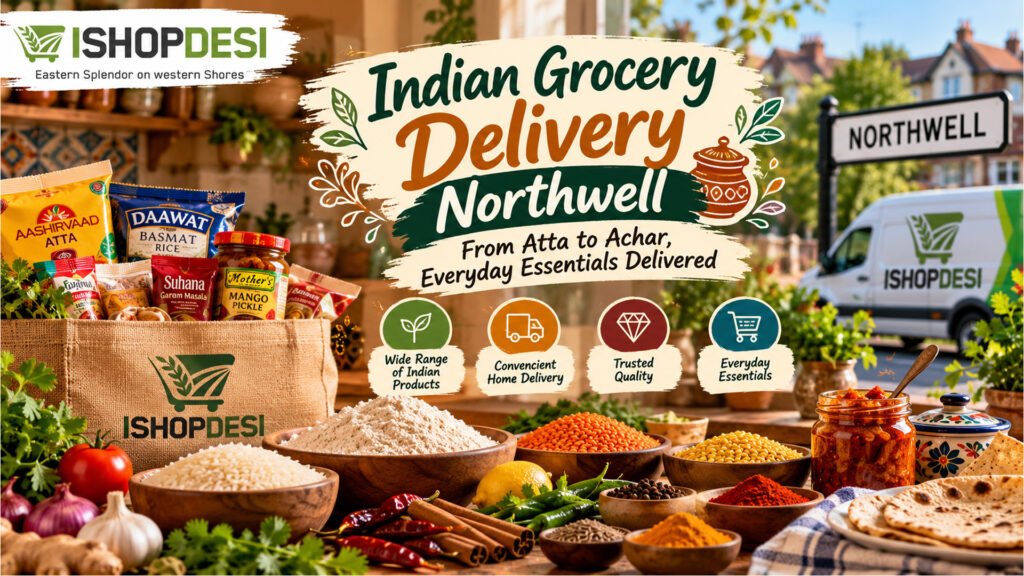
There is a particular pleasure in tearing a piece of warm chapati, scooping up a little sabzi and adding just enough mango pickle to give the next bite a sharp, spicy kick.
The pickle isn’t the main event. It might not even take up more than a corner of the plate. Yet without it, the meal can feel surprisingly different.
Indian food is full of these small relationships. Flour becomes the bread that carries a curry. Lentils provide comfort and texture. Spices create depth, while chutneys and pickles bring contrast.
For households exploring Indian grocery delivery Northwell, understanding those relationships can be more useful than collecting a long list of traditional ingredients.
Whether you’re cooking familiar family recipes or learning to prepare Indian food at home, the aim is to choose ingredients that genuinely belong in your kitchen.
From Atta to Achar: What Makes an Indian Kitchen Feel Complete?
Open the cupboards in two Indian households and you probably won’t find identical ingredients.
One family might prepare fresh chapatis almost every evening. Another may cook rice more frequently. Some households enjoy a generous spoonful of pickle with lunch, while others prefer fresh coriander chutney.
There isn’t a universal shopping basket that suits everyone.
What many Indian kitchens share, however, is a combination of ingredients that serve different purposes.
Some create the substance of a meal. Others build flavour during cooking. A smaller group adds the finishing touches.
Understanding these roles makes it easier to choose what deserves a permanent place in the cupboard.
Atta: The Foundation of Homemade Chapati and Roti
Atta is closely associated with everyday Indian cooking because it is used to prepare familiar breads such as chapati and roti.
But buying flour involves more than recognising the word atta on a packet.
Different products may vary in texture, wheat composition and suitability for particular preparations. The flour used for soft everyday chapatis may not behave exactly like one selected for another type of bread.
If homemade roti is part of your regular routine, consider how frequently you prepare it before choosing a pack size.
A large bag might be practical for a household that uses flour daily. For occasional cooking, a smaller quantity may be easier to store and finish while it remains in good condition.
IShopDesi’s guide to buy atta flour online Luton explores further considerations for choosing flour for home cooking.
Keep flour in suitable storage conditions, protect it from moisture and follow any instructions provided on the packaging.
Rice: One Ingredient, Several Very Different Results
Rice is another familiar staple, but its role changes with the dish.
A simple serving of steamed rice should complement the curry or daal beside it. Pulao calls for rice that works well with its particular cooking method. Biryani places even greater emphasis on grain texture, aroma and the way the rice cooks with other ingredients.
That is why choosing rice purely by the photograph on the bag can be disappointing.
Look at the variety, preparation guidance and the dish you intend to make.
For example, a cook preparing a special biryani may prioritise a suitable basmati variety, while someone preparing everyday rice may have different preferences.
The best rice is not necessarily the most expensive or the one with the longest grains. It is the variety that performs well in your chosen recipe.
Daal: Small Differences That Change the Entire Dish
Daal is often discussed as though it were one ingredient.
In reality, different lentils and pulses can produce noticeably different textures.
Masoor dal can work well in preparations where a softer consistency is wanted. Chana dal generally retains more structure and requires a different cooking approach. Moong dal appears in a wide range of dishes, from simple lentil preparations to khichdi.
Cooking times and soaking requirements depend on the variety and recipe.
Rather than buying several unfamiliar packets, begin with the types your household already enjoys.
You can always explore another variety when you have a particular dish in mind.
Achar: The Small Addition with a Big Personality
Achar deserves more attention than it usually receives in grocery guides.
Indian pickles can be sharp, salty, spicy, oily, aromatic or a combination of several flavours.
Mango achar, lime pickle, chilli pickle and mixed vegetable pickle may all bring something different to a meal.
A spoonful of mango pickle can add a punchy contrast to a mild vegetable dish. Lime pickle may offer a more intense citrus character. Mixed pickles can provide several textures in one serving.
The important thing is not to treat every jar as interchangeable.
Ingredients, heat levels, salt content and preparation styles vary considerably.
If you’re unfamiliar with a particular variety, checking the label before purchasing is a sensible place to start.
Why the Finishing Ingredients Matter as Much as the Main Dish
Think about a plate of plain rice and daal.
On its own, it can be comforting and satisfying.
Add a fresh salad, a little pickle or a suitable chutney, and the eating experience changes. You introduce another texture, temperature or flavour.
That contrast is one of the pleasures of Indian home cooking.
It also explains why an enormous spice collection isn’t essential for every meal.
Sometimes, a thoughtfully chosen accompaniment contributes more than adding another spoonful of seasoning to the pot.
Achar and Chutney Are Not the Same Thing
The two are often served alongside similar foods, but they are not identical.
Achar generally refers to pickled preparations involving vegetables, fruits or other ingredients preserved or seasoned using methods that vary by recipe.
Chutney is a broader category that can include fresh, cooked, sweet, tangy or spicy preparations.
A fresh coriander chutney, for example, has a very different character from an oil-based mango pickle.
Their storage requirements may also differ.
Always follow the product instructions, particularly after opening.
How to Choose the Right Accompaniment
Rather than adding every condiment to the table, consider what the main dish needs.
| Main dish | Possible accompaniment | What it adds |
| Chapati and potato sabzi | Mango pickle | Tangy, spicy contrast |
| Daal and rice | Cucumber salad | Freshness and crunch |
| Stuffed paratha | Plain yoghurt | Creamy contrast |
| Vegetable pulao | Raita | Cool, gentle flavour |
| Chole with bread | Onion salad or chutney | Sharpness and freshness |
These are suggestions, not strict rules.
Indian cooking is shaped by regional traditions, household habits and individual preferences. A combination that one family loves may be prepared differently in another home.
Three Everyday Meals That Show How Indian Ingredients Work Together
The easiest way to understand the value of grocery essentials is to look at what happens when they reach the kitchen.
Here are three familiar combinations, each with its own character.
- Roti, Seasonal Sabzi and Mango Pickle
This is a good example of how a modest collection of ingredients can create a satisfying meal.
The atta becomes the roti.
Fresh vegetables, onions, tomatoes and suitable seasonings form the sabzi.
A little pickle adds contrast at the table.
The exact vegetables can change according to the recipe and what’s available. Potatoes, cauliflower, okra and other vegetables each create a different result.
The key is to avoid treating the pickle as another ingredient that must go into the cooking pan.
Often, it works best as an accompaniment served in a small quantity.
What to consider when shopping: Suitable atta, the vegetables required for your recipe, everyday seasonings and a pickle you genuinely enjoy.
- Daal, Steamed Rice and Fresh Salad
This combination highlights the importance of texture.
Soft lentils, properly cooked rice and crisp vegetables provide different sensations in the same meal.
The choice of daal matters. So does the consistency you prefer.
Some households enjoy a thinner preparation that mixes easily with rice. Others prefer a thicker version with a more substantial texture.
A simple salad can provide freshness without needing a complicated dressing.
What to consider when shopping: Your preferred lentil variety, suitable rice, recipe-specific seasonings and fresh salad ingredients.
- Stuffed Paratha, Yoghurt and Chutney
Stuffed parathas are a reminder that bread can become the main attraction.
Potato, cauliflower and other fillings each require their own preparation.
The dough, filling and cooking technique all affect the final texture.
Plain yoghurt or a suitable chutney can provide a pleasant contrast to a warm paratha.
Here, the accompaniment should complement the filling rather than overwhelm it.
What to consider when shopping: Suitable flour, ingredients for the chosen filling and the accompaniment you intend to serve.
These combinations illustrate an important principle: a useful ingredient doesn’t need to appear in every dish. It needs to serve a clear purpose when you use it.
Indian Spices: Know What Each One Contributes
It is easy to assume that authentic Indian cooking requires an impressive collection of spice jars.
In practice, the spices you use most often depend on the recipes you prepare.
Turmeric may contribute colour and an earthy note. Cumin can bring warmth. Coriander powder offers a different aromatic character. Garam masala is a blend whose ingredients and flavour can vary between products.
None of these should automatically be added in large quantities.
Good seasoning involves understanding the recipe and allowing ingredients to work together.
For more information on commonly used seasonings, the IShopDesi guide to Indian spices online Luton offers further reading.
Whole Spices or Ground Spices?
Whole spices and ground spices can behave differently during cooking.
Some recipes use whole cumin seeds in hot oil. Others call for ground cumin as part of a masala.
Substituting one for the other without adjusting the method may change the result.
Follow the recipe, particularly when preparing a dish for the first time.
Do You Need Several Ready-Made Masalas?
Not necessarily.
Prepared spice blends can be useful, but they aren’t all designed for the same dish.
Read the ingredient list and preparation instructions before choosing one.
If you already have a suitable blend for a particular recipe, purchasing another similar packet may not add much value.
The Indian Grocery Cupboard: What Deserves Space?
Cupboard space is valuable, especially when different ingredients come in large packets, bottles and jars.
A useful way to organise it is to distinguish between frequently used products and those needed only occasionally.
Ingredients Used Several Times a Week
These might include atta, rice, familiar lentils and the spices used in your regular meals.
Their importance comes from how often you use them, not from whether they appear on a standard grocery checklist.
Ingredients Used to Finish a Meal
Pickles, chutneys and other condiments belong in a different category.
They may be used in smaller amounts, so pack size and storage requirements deserve particular attention.
A large jar isn’t automatically a better purchase if the household only uses a little at a time.
Ingredients Bought for a Specific Recipe
Speciality spice blends, unusual lentils or less frequently used condiments may be worth buying when you have a clear cooking purpose.
This is particularly helpful when exploring Indian grocery essentials UK through online stores.
Instead of treating every unfamiliar product as something your kitchen is missing, ask whether it supports a dish you actually want to prepare.
IShopDesi’s broader guide to Indian and Pakistani groceries online in the UK provides additional context on commonly used products.
Five Small Mistakes That Can Affect the Meal
Sometimes, disappointing results come from a purchasing decision rather than the cooking itself.
- Choosing Atta Without Checking Its Intended Use
Different flours may produce different results.
Check the product description and choose a flour suited to your preparation.
- Assuming Every Rice Variety Cooks the Same Way
Water requirements, cooking times and texture can vary.
Follow suitable preparation guidance for the variety you’re using.
- Buying Pickle Based Only on the Flavour Name
Two mango pickles may have very different heat levels, ingredients and textures.
Review the label before choosing.
- Adding More Masala to Fix Every Dish
An unbalanced curry isn’t always improved by extra spice.
The issue may involve cooking time, moisture, acidity or the proportions of other ingredients.
- Forgetting Storage Requirements
Dry ingredients, fresh chutneys and commercially prepared pickles do not necessarily have the same storage needs.
Follow packaging instructions and use clean utensils when serving products from jars.
Choosing Indian Groceries Online in Northwell, Luton
For residents considering Indian groceries online Northwell Luton, it helps to think about the finished dish before comparing products.
If you’re making chapatis, examine the flour options.
If biryani is planned, check the rice variety and the other ingredients required.
If you enjoy pickle with your meals, compare the available flavours, pack sizes and ingredient information.
IShopDesi provides an online platform for exploring South Asian grocery products, including ingredients commonly used in Indian home cooking.
Its article on Indian grocery delivery in Luton for home cooking offers additional guidance on selecting suitable ingredients.
When reviewing products online, pay attention to descriptions rather than relying only on photographs.
Check:
- Product weight and quantity
- Ingredients and allergen information
- Preparation instructions where relevant
- Storage requirements
- Any dietary information important to your household
Product ranges and availability can change, so confirm the current selection and delivery eligibility for your Northwell postcode before placing an order.
The aim is to choose products that fit the food you enjoy cooking, rather than buying ingredients simply because they are associated with Indian cuisine.
Frequently Asked Questions
What are the most useful Indian grocery essentials for everyday cooking?
That depends on your usual meals. Common examples include atta, rice, lentils, onions, tomatoes, cooking oils and selected spices. Pickles and chutneys can be useful accompaniments.
Is atta the same as ordinary wheat flour?
Atta is typically a whole wheat flour used for Indian flatbreads. Other wheat flours may differ in milling, texture and suitability for particular recipes.
Which rice should I choose for Indian cooking?
Choose according to the dish. Different rice varieties can produce different textures, and the preparation method matters as much as the grain itself.
What is the difference between mango pickle and mango chutney?
Mango pickle is generally a seasoned or pickled preparation, often with a sharp and spicy flavour. Mango chutney may be sweeter or have a different consistency, depending on the recipe.
Do I need a large collection of Indian spices?
No. Start with the seasonings required for dishes you regularly prepare, then add others when you have a specific recipe in mind.
Can I use the same achar with different meals?
Yes, if the flavour suits your preferences. Pickles can accompany several dishes, although their intensity may work better with some combinations than others.
How should I store Indian pickles after opening?
Follow the instructions on the jar. Storage requirements vary by product, and clean utensils should be used when serving.
How can I avoid buying too many Indian grocery products?
Choose ingredients for familiar meals first. Compare pack sizes and consider how frequently you will use each item before purchasing larger quantities.
Can I order Indian groceries online in Northwell, Luton?
You can explore online grocery platforms such as IShopDesi. Check current product availability and whether delivery is available for your specific address before ordering.
Conclusion: The Best Ingredients Are the Ones That Belong Together
A jar of pickle might seem like a small detail beside a bag of flour or rice.
Yet that little jar illustrates something important about Indian cooking.
The pleasure of a meal often comes from the way different ingredients support one another.
Atta provides the foundation for a warm chapati. Lentils and vegetables give the meal substance. Spices develop its character. A carefully chosen achar or chutney adds the final contrast.
For Northwell households, building a useful Indian grocery collection begins with recognising those connections.
Choose ingredients for the dishes you enjoy, understand their different roles and give some thought to how they will be stored and used.
A well-prepared meal doesn’t need an overflowing cupboard.
It needs the right ingredients in the right company.