A beautifully seasoned nihari can still disappoint if the beef is wrong.
The gravy might be rich, the spices perfectly balanced and the kitchen filled with the unmistakable aroma of slow-cooked masala. Yet when you lift a piece of meat with your spoon, it remains unpleasantly firm.
The first instinct may be to cook it for another hour.
Sometimes that helps. Other times, the problem began much earlier, when a cut intended for quick cooking was chosen for a dish that depends on slow transformation.
Beef is not one uniform ingredient. Different muscles contain varying amounts of fat, connective tissue and collagen. Their structure influences how they respond to heat and moisture.
This is particularly important in traditional South Asian cooking, where dishes such as nihari and qorma rely on the relationship between meat, spices and cooking time.
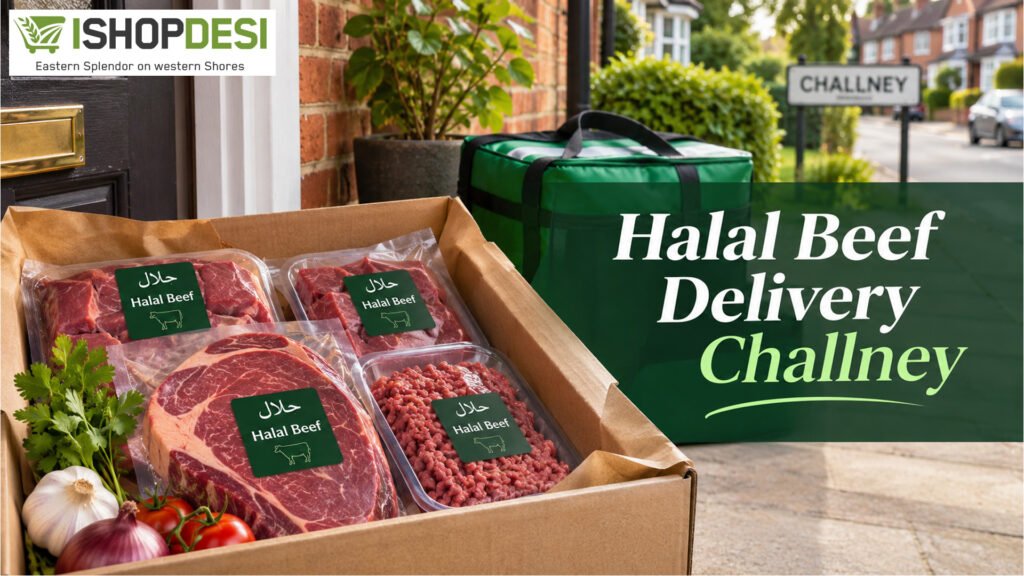
For households exploring halal beef delivery Challney, understanding the difference between shin, chuck, brisket and other cuts can make choosing beef considerably easier.
The aim isn’t to buy the most expensive cut. It’s to select meat that suits the dish you want to prepare.
Why the Beef Cut Matters More Than You Might Expect
Imagine preparing two pieces of beef in exactly the same way.
One comes from a relatively lean, tender muscle. The other comes from a hardworking part of the animal containing more connective tissue.
After a short period of cooking, the leaner cut might be pleasant to eat, while the tougher piece still needs time.
Continue cooking them slowly in a suitable liquid-based dish, and their behaviour can change.
Collagen-rich cuts may become more tender as their connective tissue gradually breaks down. A lean cut, however, may become dry or stringy if cooked for too long.
This is why slow-cooking recipes often recommend particular cuts.
Understanding Collagen and Connective Tissue
Collagen is a structural protein found in connective tissue.
During prolonged cooking with sufficient moisture, some collagen converts into gelatin, contributing to the texture of the meat and cooking liquid.
This process is one reason cuts such as shin and chuck can perform well in slow-cooked dishes.
However, tenderness also depends on cooking temperature, time and the individual piece of meat.
A suitable cut can still turn out poorly when cooked using an inappropriate method.
Why Lean Beef Isn’t Always Ideal
Lean beef may be excellent for recipes designed around quick cooking.
But a slow-cooked curry requires different characteristics.
A very lean piece can become dry during extended cooking, particularly if the cooking environment is too hot or contains insufficient moisture.
Choosing beef according to the recipe is more useful than assuming leaner or more expensive always means better.
The Main Beef Cuts Worth Understanding
Butchers may use different cutting and naming conventions, so it helps to understand the characteristics you need rather than relying on one product name.
| Beef cut | Typical characteristics | Cooking use to consider |
|---|---|---|
| Shin or shank | Connective tissue, often available bone-in | Nihari and slow braises |
| Chuck | Shoulder-region meat with connective tissue and varying marbling | Qorma, curries and stews |
| Brisket | Firm structure and connective tissue | Long, gentle cooking |
| Diced stewing beef | Characteristics depend on the actual cuts included | Recipe-specific curries and stews |
| Boneless lean steak cuts | Often suited to shorter cooking methods | Quick preparations rather than traditional long braises |
| Minced beef | Ground meat, with variable fat content | Keema, kofta and kebabs |
This table is a starting point.
The quality of the result still depends on the individual product, preparation and recipe.
Beef Shin: Why It Works So Well in Nihari
Nihari is among the most recognisable slow-cooked meat dishes associated with South Asian cuisine.
Its preparation varies between regions, families and restaurants, but a characteristic feature is the long cooking process that allows meat and spices to develop together.
Beef shin is a traditional and practical option for many nihari recipes.
What Makes Shin Different?
Shin comes from the lower leg of the animal.
Because these muscles are used extensively, the cut contains significant connective tissue.
When cooked gently for sufficient time, the meat can become tender while contributing body to the surrounding cooking liquid.
This makes it particularly suitable for dishes intended to develop gradually.
Bone-In or Boneless Shin?
Both can be used in suitable recipes.
Bone-in shin may contribute marrow and other components to the dish, depending on how it is cut and cooked.
Boneless shin offers a different preparation and serving experience.
The right choice depends on the nihari style you’re making.
If the recipe specifically calls for marrow bones or bone-in shank, replacing it with boneless pieces may change the result.
Why Nihari Shouldn’t Be Rushed
High heat isn’t a shortcut to tender slow-cooked beef.
Excessive boiling can affect moisture, texture and the final sauce.
A more controlled simmer generally suits recipes designed around collagen-rich cuts.
Follow the cooking method and check tenderness as the dish develops.
The meat should reach the desired texture without relying on a fixed number of hours for every cut and quantity.
Nihari Masala: Flavour Develops Alongside the Meat
Although beef selection is important, the spices also determine the character of nihari.
Different recipes may use combinations of ginger, garlic, chilli, fennel, coriander, cumin and other aromatic seasonings.
The precise mixture varies.
Some households prefer prepared nihari masala. Others create their own blend.
Whole Spices and Ground Spices Play Different Roles
Whole spices may contribute aroma through infusion.
Ground spices disperse through the gravy and can shape its overall flavour.
They should be used according to the recipe rather than added in arbitrary quantities.
For a closer look at traditional seasonings, IShopDesi’s guide to Pakistani spices online UK explains how familiar spices contribute to South Asian dishes.
Why Nihari Gravy Has a Distinctive Texture
Certain nihari recipes use a flour-based thickening mixture.
This is different from simply reducing a curry until most of the water disappears.
The amount and type of thickener influence the final consistency.
Adding too much can make the gravy heavy or pasty.
Follow a recipe that specifies the appropriate quantity and method.
The Finishing Ingredients Matter
Ginger, green chillies, fresh coriander and lemon may be offered as accompaniments, depending on the household’s preferred style.
These additions can introduce freshness and contrast to a richly seasoned dish.
They should complement the nihari rather than compete with it.
Beef Qorma: Why the Meat Choice Is Different
Qorma, also commonly written as korma, is prepared in many different styles.
Some versions are relatively mild, while others involve deeply browned onions, yoghurt, aromatic spices and a rich sauce.
The cooking technique and ingredient balance vary considerably.
For a beef qorma that requires extended simmering, suitable shoulder-region cuts can be a practical choice.
Why Chuck Can Work Well
Chuck comes from the shoulder region and often contains connective tissue and intramuscular fat.
It can become tender when cooked appropriately in a moist environment.
This makes it useful for certain stews and traditional curries.
However, chuck cuts differ, so cooking time and texture should be checked throughout preparation.
Is Boneless Beef Better for Qorma?
Not necessarily.
Boneless meat may be convenient to portion and serve.
Bone-in pieces can create a different eating experience and may suit particular family recipes.
Neither option should be treated as universally superior.
The important decision is whether the cut matches the intended qorma preparation.
Why Onion Preparation Matters
Many qorma recipes depend on the flavour of properly cooked onions.
Some use deeply browned onions, while others follow a different method.
If the onions burn, the resulting bitterness may affect the entire dish.
If they aren’t cooked sufficiently for the recipe, the intended depth of flavour may be missing.
This is an example of how a good beef cut still needs the correct cooking technique.
Brisket and Other Slow-Cooking Cuts: When Should You Use Them?
Brisket is another cut associated with long cooking.
It comes from the breast region and contains connective tissue that benefits from appropriate preparation.
In some slow-cooked curry or braising recipes, it can provide an alternative to other stewing cuts.
However, it is not automatically interchangeable with shin.
Brisket Has a Different Structure
Depending on how the brisket is trimmed and cut, its fat content and thickness can vary.
A large brisket piece may require a different method from smaller cubes of stewing beef.
Always adapt the preparation to the actual product.
What About Generic Stewing Beef?
Products sold as diced stewing beef may contain different cuts.
This can make cooking behaviour less predictable.
When a recipe requires a specific texture, look for a clear cut description or ask the retailer for more information.
Avoid Replacing Slow-Cook Beef with Mince
Minced beef behaves differently because its structure has already been broken down.
It is suited to dishes such as keema, kofta and certain kebabs.
For cooking ideas involving mince, IShopDesi’s article on how to make keema with halal minced beef provides a separate recipe-focused guide.
Mince is useful, but it cannot reproduce the texture of slow-cooked beef shin in nihari.
Nihari vs Qorma: Which Beef Should You Buy?
The two dishes have different identities and preparation requirements.
A quick comparison can help when choosing ingredients.
| Cooking decision | Beef nihari | Beef qorma |
|---|---|---|
| Cut to consider | Shin or shank | Chuck or another suitable curry cut |
| Cooking style | Extended gentle cooking | Recipe-specific simmering |
| Sauce character | Spiced gravy, sometimes flour-thickened | Often onion- and yoghurt-influenced, depending on style |
| Meat texture | Tender pieces developed through slow cooking | Tender curry pieces |
| Serving ideas | Naan, roti, suitable garnishes | Rice, naan or roti |
These are examples rather than strict definitions.
Regional variations and family recipes can differ considerably.
If you’re following a particular traditional recipe, choose the cut it recommends.
Five Reasons Slow-Cooked Beef Turns Out Tough
A long cooking time doesn’t automatically guarantee tender meat.
When beef remains difficult to chew, several factors may be involved.
1. The Wrong Cut Was Selected
A cut designed for quick cooking may not produce the intended texture after prolonged simmering.
Better approach: Choose a cut with characteristics appropriate for the recipe.
2. The Cooking Time Was Too Short
Connective tissue may not have had sufficient time to soften.
Better approach: Follow the recipe and assess tenderness rather than relying only on the clock.
3. The Heat Was Excessive
Aggressive boiling can affect the cooking liquid and meat texture.
Better approach: Use the gentle cooking method specified in the recipe.
4. The Pieces Were Unevenly Sized
Small and large pieces may cook at different rates.
Better approach: Use reasonably consistent pieces where the recipe calls for diced meat.
5. The Gravy Was Reduced Too Early
A sauce that becomes excessively thick before the meat is tender may complicate the cooking process.
Better approach: Manage the liquid according to the recipe and adjust carefully as needed.
The solution isn’t always another spoonful of masala.
Sometimes, the meat simply needs a more suitable cooking environment.
Slow Cooker, Hob or Pressure Cooker: Which Method Works Best?
Traditional slow-cooked dishes can be prepared using different equipment when the recipe supports it.
Each method has advantages and limitations.
Cooking on the Hob
A suitable heavy-based pot allows the cook to monitor the gravy and adjust the heat.
However, extended cooking requires attention.
Maintain the appropriate temperature and avoid allowing the liquid to dry out.
Using a Slow Cooker
A slow cooker can be suitable for recipes specifically developed or correctly adapted for that appliance.
The cooking environment differs from a pot on the hob.
Liquid quantities and preparation steps may need adjustment.
Do not assume that every stovetop nihari recipe can be transferred unchanged.
Using a Pressure Cooker
A pressure cooker can reduce the time required for some tough cuts to become tender.
However, the texture and sauce may require additional attention after pressure cooking.
Follow manufacturer instructions and a tested recipe.
Never exceed fill limits or open a pressurised cooker unsafely.
Does Faster Cooking Mean Less Flavour?
Not necessarily.
Different methods can produce different results, but flavour depends on ingredients, preparation and cooking stages as well as time.
The best method is one you can use safely and consistently for the chosen dish.
How Much Beef Should You Buy for a Family Meal?
The amount depends on the recipe, household size and accompaniments.
Bone-in and boneless products also have different edible yields.
A kilogram of bone-in shin doesn’t provide the same quantity of edible meat as a kilogram of boneless diced beef.
Begin with Recipe Servings
Use a reliable recipe that specifies the meat quantity and expected servings.
Adjust it according to your household’s needs.
Account for Bones and Trimming
Bone-in products include weight that isn’t all edible meat.
Fat trimming and cooking losses may also affect the final yield.
Consider What Else Is Being Served
A qorma accompanied by rice, vegetables and another substantial dish may be portioned differently from a meat-centred meal.
Plan for Guests Separately
Weekend gatherings may require additional servings.
Calculate them for the particular meal rather than increasing every routine grocery purchase.
When considering halal beef cuts for slow cooking, compare pack weights alongside the amount of usable meat and the cut’s suitability.
What Should You Serve with Nihari and Qorma?
These dishes are rich in flavour, so their accompaniments can influence the overall meal.
Nihari with Naan or Roti
Bread can be particularly enjoyable with a thick, well-seasoned gravy.
Choose the bread according to your preferences and recipe.
For those making flatbreads at home, IShopDesi’s guide to buying atta flour online Luton explains how different flour choices affect preparation.
Qorma with Rice
Rice can provide a suitable accompaniment to qorma.
Different basmati varieties have different textures and cooking requirements.
For additional guidance, explore IShopDesi’s article on basmati rice online Luton.
Fresh Garnishes and Salad
A small quantity of fresh ginger, coriander, lemon or salad may complement particular dishes.
The correct combination depends on the recipe and personal preference.
Avoid Too Many Heavy Accompaniments
A richly seasoned meat dish doesn’t always require several additional curries.
A simple, complementary side can provide contrast without overwhelming the meal.
Buying Halal Beef Online in Challney: What Should You Check?
For residents interested in buy halal beef online Luton, the most important product information relates to the cut, weight, halal suitability and storage conditions.
A photograph may show attractive pieces of beef without explaining whether they are appropriate for nihari, qorma or another dish.
Check the description carefully.
Confirm the Exact Cut
Look for product details identifying shin, shank, chuck, brisket or another appropriate cut.
Generic labels such as beef pieces may not provide enough information for a recipe requiring particular characteristics.
Check Bone-In or Boneless Status
This affects both portioning and preparation.
If you want marrow bones for a traditional nihari recipe, confirm that the product contains the required components.
Review Halal Sourcing Details
Customers may have different requirements concerning halal certification and slaughter practices.
Review available information and ask the seller for clarification when needed.
Understand Fresh, Chilled and Frozen Products
Follow the product’s storage instructions and date information.
Do not assume every online beef product is supplied in the same condition.
Confirm Delivery to Your Address
Before purchasing, check whether the retailer currently serves your Challney postcode.
Review delivery charges, available arrangements and product availability.
IShopDesi provides an online platform for exploring South Asian grocery and halal meat categories.
For broader meat-shopping guidance, its article on buying halal meat online Luton explains useful purchasing considerations.
How to Store Beef Safely Before Slow Cooking
Slow-cooked recipes may require several hours of preparation, but that doesn’t mean raw meat can be left unrefrigerated while other ingredients are prepared.
Refrigerate Raw Beef Appropriately
Follow the packaging instructions and use-by date.
Keep raw meat separate from ready-to-eat foods.
Prevent meat juices from contacting other products.
Freeze Only When Suitable
If you don’t intend to use the beef within the recommended storage period, freezing may be appropriate.
Follow the manufacturer’s instructions and use suitable freezer-safe packaging.
Thaw Safely
Refrigerator thawing is generally appropriate for many raw meat products.
Follow food-safety guidance and don’t leave raw beef on a kitchen counter for extended periods.
Handle Cooked Leftovers Correctly
Cool suitable leftovers promptly and refrigerate them according to current UK food-safety advice.
Reheat appropriately and avoid repeated reheating.
For a more detailed explanation, IShopDesi’s guide to storing halal meat after delivery offers additional handling information.
How IShopDesi Fits into Traditional Beef Cooking
Choosing ingredients becomes easier when the recipe comes first.
A nihari preparation may require shin or shank, particular spice combinations and suitable accompaniments.
A beef qorma may need a different cut, an onion-based preparation and its own selection of aromatics.
IShopDesi allows customers to explore available halal food and South Asian grocery categories online.
When researching halal beef delivery Challney Luton, review current product descriptions and confirm whether suitable beef products are available for your intended recipes.
For related cooking ingredients, IShopDesi’s guide to Desi groceries for curries, daal and roti offers further information.
Check postcode eligibility, applicable charges and halal product information before placing an order.
The most useful purchase is not simply a pack of beef.
It is the right cut, in a suitable quantity, for a dish you understand how to prepare.
Frequently Asked Questions
Which beef cut is best for nihari?
Beef shin or shank is commonly used because its connective tissue suits prolonged, gentle cooking. Follow the specific nihari recipe when choosing bone-in or boneless meat.
Is beef chuck suitable for qorma?
Chuck can work well in slow-simmered beef qorma recipes because it contains connective tissue that responds to appropriate moist cooking.
Can brisket be used for beef curry?
Yes, in recipes designed for longer cooking. Brisket’s characteristics differ from shin and chuck, so preparation may need adjustment.
Why is my beef still tough after slow cooking?
Possible causes include an unsuitable cut, insufficient cooking time or an inappropriate temperature. Check the recipe and assess the meat’s tenderness.
Should I cook nihari on low or high heat?
Many traditional nihari recipes use prolonged gentle cooking. Follow a tested recipe and use equipment that maintains appropriate temperatures.
Can I make nihari in a pressure cooker?
Yes, when using a tested pressure-cooker method. Cooking times, liquid quantities and finishing steps may differ from stovetop preparation.
Is bone-in beef better than boneless beef?
Neither is automatically better. Bone-in meat may suit particular traditional preparations, while boneless meat can be easier to portion and serve.
What is the difference between nihari and beef qorma?
Nihari is commonly associated with extended slow cooking and a distinctive spiced gravy. Qorma varies by region but often features an onion-based sauce and different seasoning methods.
How should raw halal beef be stored?
Follow packaging instructions, refrigerate appropriately, prevent cross-contamination and freeze when suitable if the meat won’t be used within its safe storage period.
Can I order halal beef online in Challney, Luton?
You can explore online halal meat retailers such as IShopDesi. Confirm current product availability, halal information and delivery eligibility for your Challney postcode before ordering.
Conclusion: The Best Slow-Cooked Beef Starts with the Right Cut
Nihari and qorma may both involve beef, spices and patient cooking, but they are not the same dish.
Their textures, gravies and preparation techniques differ.
Beef shin can bring the connective tissue needed for a traditional slow-cooked nihari. Chuck may be suitable for a rich qorma. Brisket and other cuts offer additional possibilities when the recipe is designed for them.
Understanding these differences gives home cooks more control over the result.
For Challney households, selecting halal beef should begin with the intended meal rather than a generic product name.
Choose a suitable cut, understand its cooking requirements and handle the meat safely.
The result is more than a tender curry.
It’s a dish in which the meat, spices and cooking method finally work together.